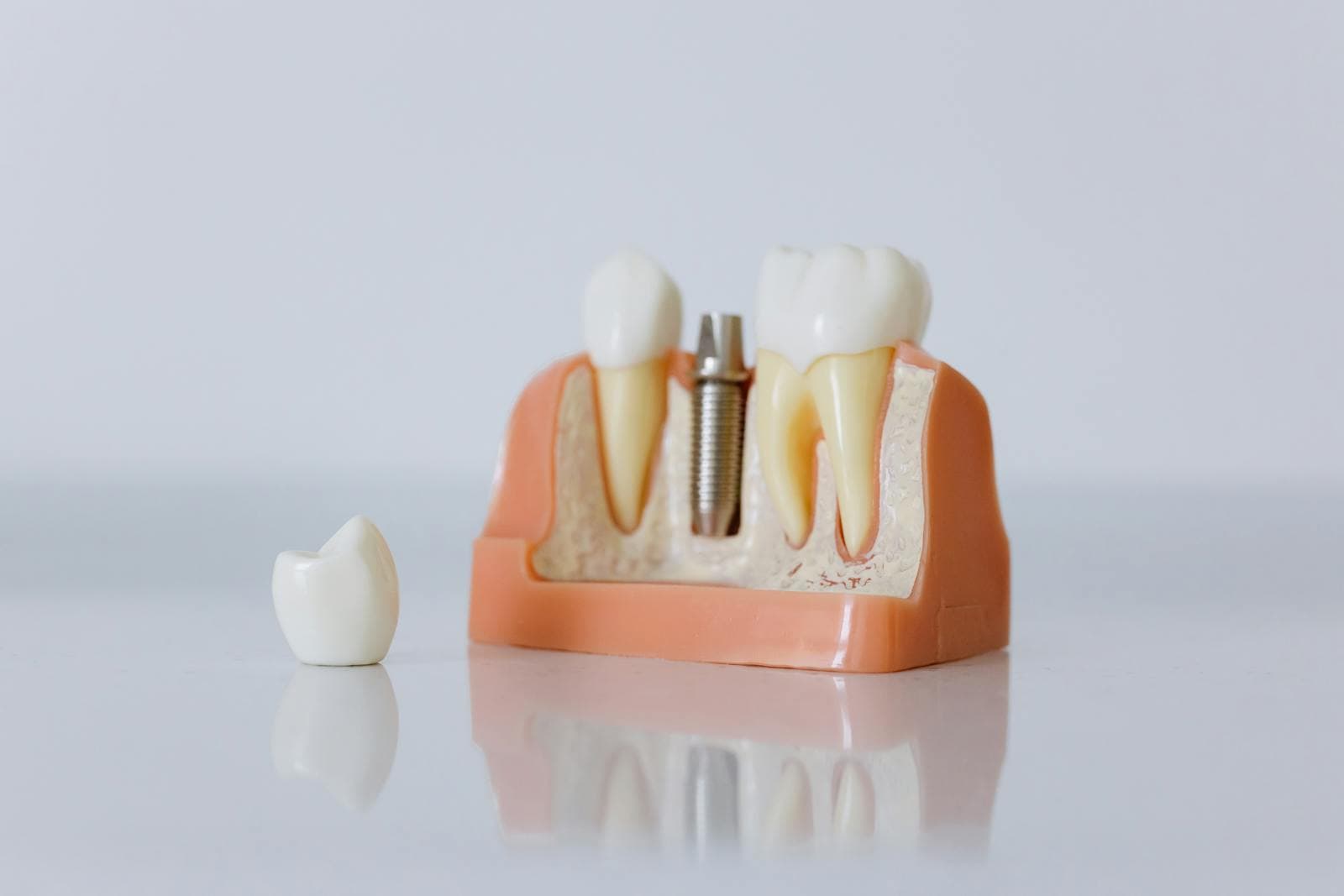

Root CanalTreatment
When tooth pain or infection reaches the inner pulp, root canal treatment can often relieve symptoms and help save the tooth.
What a root canal treats
Inside every tooth is a soft tissue called the pulp. When that tissue becomes inflamed, infected, or badly damaged, it can lead to significant sensitivity, lingering pain, swelling, or discomfort when chewing.
Root canal treatment removes the affected tissue, cleans the inside of the tooth, and seals it so the tooth can often be retained instead of extracted.
Signs you may need an evaluation
Common reasons patients in Montreal and Laval seek an assessment include severe toothache, sensitivity that lingers after hot or cold foods, tenderness when biting, swelling near the gums, or a tooth that has darkened after trauma.
Not every painful tooth needs a root canal, but ongoing symptoms should be examined promptly so the problem does not worsen.
A comfort-focused approach to treatment
Many patients are anxious about root canal treatment because of what they have heard, but modern techniques are designed to make the procedure as controlled and comfortable as possible. We explain each stage and keep you informed throughout the appointment.
After treatment, the tooth may need a final restoration to protect it over the long term. We review the next steps so you understand how to keep the tooth functioning well.
Why preserving the tooth matters
Helps maintain natural function
Keeping your natural tooth can support normal chewing, spacing, and bite balance.
Treats the source of infection
The procedure focuses on cleaning the inside of the tooth rather than only masking symptoms.
Can prevent further breakdown
Prompt treatment may reduce the risk of worsening pain or infection-related complications.
Personalized diagnosis first
Some teeth need a root canal, while others may be treated another way. We begin with a careful evaluation instead of assumptions.
Your root canal treatment journey
Diagnosis and imaging
We identify the source of the pain and determine whether the pulp inside the tooth is affected.
Cleaning the inside of the tooth
The damaged or infected tissue is removed, and the canals are carefully cleaned and shaped.
Sealing the tooth
The cleaned space is filled and sealed to help protect the tooth from future contamination.
Restoration and follow-up
If needed, the tooth is restored so it can remain strong and functional over time.
Frequently asked questions
If you are comparing treatment options in Montreal, Laval, or the surrounding area, these answers can help you understand the basics before booking a consultation.
Is root canal treatment painful?
Modern root canal treatment is typically performed with local anesthesia and is often no more uncomfortable than other restorative procedures. Many patients seek it because they are already in pain and want relief.
How do I know if I need a root canal or an extraction?
That depends on the condition of the tooth, the extent of infection or damage, and whether the tooth can be restored predictably. An exam and X-rays are needed to decide.
Can a tooth be saved after a deep infection?
In many cases, yes. Root canal treatment is specifically designed to treat infection inside the tooth and preserve the tooth when the remaining structure can still be restored.
What happens if I delay treatment?
Pain and infection may worsen, and the chances of saving the tooth can decrease. Persistent symptoms should be evaluated as soon as possible.
Related services
Explore other treatments that patients often consider alongside root canal treatment care.